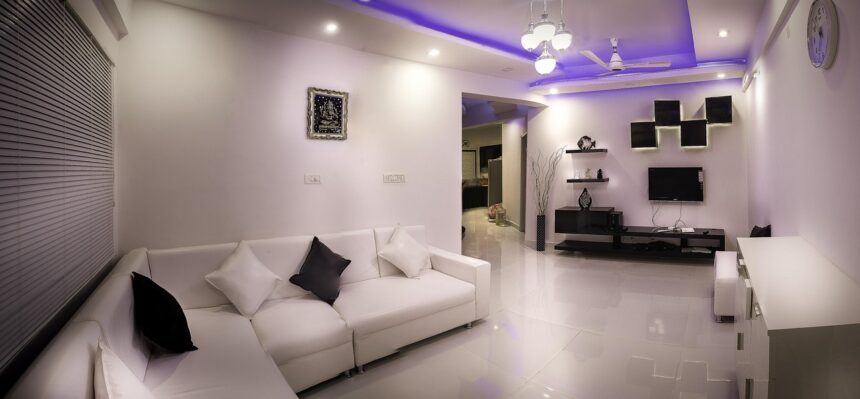
Introduction
Gypsum board has become one of the most important materials in modern construction. Builders use it to create smooth interior walls, ceilings, and partitions in residential, commercial, and industrial buildings. Moreover, it offers excellent durability while reducing construction time and labor costs.
Unlike traditional plaster, Drywall is lightweight and easier to install. As a result, contractors can complete projects more efficiently without sacrificing quality. In addition, manufacturers produce several types of drywall for specific applications, including moisture-resistant, fire-resistant, and sound-resistant boards.
Whether you are constructing a new home or renovating an office, understanding drywall helps you select the right material for your project. This guide explains its manufacturing process, types, applications, advantages, and why it remains a preferred building material worldwide.
What Is Gypsum Board?
A gypsum board is a flat construction panel made from a hardened gypsum core covered with durable paper on both sides. It is also widely known as drywall, wallboard, or plasterboard in many countries.
The gypsum core provides strength and natural fire resistance. Meanwhile, the paper surface creates a smooth finish that is ready for paint, wallpaper, or decorative textures. Therefore, gypsum board has become the standard material for interior construction.
Today, architects, contractors, and homeowners choose drywall because it combines strength, affordability, and easy installation.
How Is Gypsum Board Manufactured?
Manufacturers follow a carefully controlled production process to ensure every gypsum board meets quality standards.
First, natural or synthetic gypsum is crushed into a fine powder.
Next, manufacturers mix the gypsum with water and performance-enhancing additives.
After that, the mixture is placed between two layers of heavy paper.
Large rollers shape the board into the required thickness.
The boards then pass through industrial dryers to remove excess moisture.
Finally, manufacturers cut the panels into standard sizes before packaging and shipping them.
Because every production stage follows strict quality control, drywall provides reliable performance in construction projects.
Main Components of Gypsum Board
Every gypsum board contains several important components that work together to improve strength and durability.
Gypsum Core
The gypsum core forms the center of the board.
It provides:
- Structural strength
- Fire resistance
- Shape stability
- Long-term durability
Furthermore, gypsum naturally contains chemically combined water, which helps slow heat transfer during a fire.
Paper Facing
Strong paper covers both sides of the gypsum core.
This paper performs several important functions.
It helps:
- Protect the gypsum core
- Improve durability
- Create a smooth finishing surface
- Support painting and wallpaper installation
Consequently, decorators spend less time preparing walls before finishing.
Performance Additives
Manufacturers often add special ingredients to improve performance.
These additives may increase:
- Moisture resistance
- Fire resistance
- Mold resistance
- Flexibility
- Overall strength
Therefore, builders can choose the most suitable gypsum board for different environments.
Types of Gypsum Board
Construction projects require different types of drywall depending on environmental conditions. For this reason, manufacturers produce several specialized options.
Standard Gypsum Board
Standard drywall is the most commonly used type.
It is suitable for:
- Living rooms
- Bedrooms
- Offices
- Hallways
- Classrooms
Because it offers an excellent balance between cost and performance, it remains the most popular choice.
Moisture-Resistant Gypsum Board
Moisture-resistant gypsum board performs better in humid areas.
Builders frequently install it in:
- Bathrooms
- Kitchens
- Laundry rooms
- Utility rooms
As a result, these spaces receive better protection against moisture and mold.
Fire-Resistant Gypsum Board
Fire-resistant gypsum board contains reinforcing fibers that improve its ability to withstand high temperatures.
It is commonly installed in:
- Commercial buildings
- Garages
- Stairwells
- Fire-rated walls
- Mechanical rooms
Consequently, it helps slow the spread of fire and increases building safety.
Sound-Resistant Gypsum Board
Sound-resistant drywall reduces noise transmission between rooms.
It is widely used in:
- Hotels
- Apartments
- Hospitals
- Conference rooms
- Recording studios
Therefore, it creates quieter and more comfortable indoor spaces.
Common Applications of Gypsum Board
Builders use gypsum board in almost every type of interior construction.
Its common applications include:
- Interior walls
- Partition systems
- Suspended ceilings
- Decorative ceilings
- Office cabins
- Wall lining
- Residential houses
- Commercial buildings
Moreover, contractors can easily cut and shape gypsum board to match different architectural designs.
Advantages of Gypsum Board
Several benefits make drywall one of the most preferred construction materials.
Lightweight Construction
Gypsum board weighs much less than many traditional wall materials.
Therefore, workers can transport and install it more easily.
Its lightweight design also reduces the structural load on buildings.
Fast Installation
Construction schedules often have tight deadlines.
Fortunately, drywall allows builders to finish interior work much faster than traditional plaster.
Large panels cover wide areas quickly.
In addition, they require less drying time after installation.
As a result, projects move to the finishing stage sooner.
Smooth Surface Finish
A gypsum board provides a clean and even surface.
It is ideal for:
- Interior paint
- Wallpaper
- Decorative textures
- Modern wall finishes
Furthermore, the smooth surface reduces finishing work and saves both time and money.
Excellent Fire Resistance
Gypsum naturally contains water within its crystal structure.
During a fire, this water slows the movement of heat.
Consequently, fire-resistant drywall improves overall building safety.
Better Sound Insulation
Many buildings require quieter indoor environments.
Therefore, builders install sound-resistant gypsum board to reduce noise between rooms.
This feature makes it an excellent choice for homes, offices, hotels, hospitals, and educational institutions.
Gypsum Board vs Traditional Plaster
Many people compare gypsum board with traditional plaster before choosing a wall system. Although both materials serve the same purpose, they differ in installation, cost, maintenance, and performance.
The table below highlights the main differences.
| Feature | Gypsum Board | Traditional Plaster |
| Installation | Fast | Slow |
| Weight | Lightweight | Heavy |
| Surface Finish | Smooth | Requires More Finishing |
| Drying Time | Short | Long |
| Maintenance | Easy | Moderate |
| Cost | Budget-Friendly | Usually Higher |
Therefore, most modern construction projects prefer drywall because it saves both time and labor.
How to Install Gypsum Board
Proper installation improves durability, appearance, and long-term performance. Moreover, following the correct steps helps reduce future maintenance costs.
A standard installation process includes:
- Measure the wall or ceiling carefully.
- Cut the gypsum board to the required size.
- Position the board against the framing.
- Secure it using drywall screws.
- Apply joint tape over every seam.
- Cover the joints with joint compound.
- Allow the compound to dry completely.
- Sand the surface until it becomes smooth.
- Apply primer before painting.
As a result, the finished wall becomes smooth, strong, and ready for decoration.
Tools Required
Using the right tools makes installation easier and improves accuracy.
Common tools include:
- Tape measure
- Utility knife
- Drywall saw
- T-square
- Screw gun
- Drywall screws
- Joint knife
- Sanding block
- Joint compound
- Safety glasses
Furthermore, quality tools help reduce waste and improve finishing quality.
Maintenance Tips
A gypsum board requires very little maintenance. However, simple care can significantly extend its lifespan.
Follow these maintenance tips:
- Keep indoor spaces dry.
- Repair cracks immediately.
- Clean walls with a soft cloth.
- Check bathrooms and kitchens regularly.
- Avoid striking walls with heavy furniture.
- Repaint damaged surfaces when necessary.
Consequently, the drywall will maintain its appearance for many years.
Common Problems
Although gypsum board is highly durable, a few problems may develop over time.
Common issues include:
- Small cracks
- Nail pops
- Water stains
- Moisture damage
- Dents
- Joint separation
Fortunately, most of these problems are easy to repair if you address them early.
How to Repair Minor Damage
Minor damage rarely requires replacing the entire board.
Instead, you can follow these simple steps:
- Remove loose material.
- Apply joint compound.
- Replace damaged tape if needed.
- Sand the repaired area.
- Apply primer.
- Paint the surface.
Therefore, regular maintenance helps reduce repair costs while extending the board’s service life.
Environmental Benefits
Modern construction increasingly focuses on sustainable materials. Fortunately, gypsum board supports environmentally responsible building practices.
Its environmental benefits include:
- Recyclable material
- Reduced construction waste
- Better energy efficiency
- Long service life
- Lower environmental impact
In addition, many manufacturers now produce gypsum board using recycled gypsum.
As a result, natural resources are conserved while construction waste decreases.
How to Choose the Right Gypsum Board
Selecting the correct gypsum board depends on your project requirements.
Before buying, consider the following factors:
- Room location
- Humidity level
- Fire protection needs
- Sound insulation requirements
- Board thickness
- Project budget
For example, bathrooms require moisture-resistant boards, while commercial buildings often need fire-resistant products.
Therefore, choosing the right board improves both safety and performance.
Frequently Asked Questions
What is gypsum board used for?
Gypsum board is mainly used for interior walls, ceilings, partitions, and decorative ceiling systems in residential and commercial buildings.
Is gypsum board the same as drywall?
Yes. In many countries, drywall, wallboard, and plasterboard are simply different names for gypsum board.
Is gypsum board waterproof?
No. Standard gypsum board is not waterproof. However, moisture-resistant drywall performs much better in humid environments.
How long does gypsum board last?
With proper installation and maintenance, gypsum board can last for several decades under normal indoor conditions.
Can gypsum board improve fire safety?
Yes. Fire-resistant drywall helps slow the spread of heat and flames, giving occupants additional time during emergencies.
Conclusion
Gypsum board remains one of the most reliable materials for modern interior construction. It offers fast installation, excellent durability, a smooth surface finish, and cost-effective performance. Moreover, different types of gypsum board allow builders to meet specific requirements such as moisture resistance, fire protection, and sound insulation.
Whether you are building a new property or renovating an existing space, drywall provides a practical solution for creating attractive and long-lasting interiors. Therefore, choosing the right type, installing it correctly, and performing regular maintenance will help you achieve the best results for years to come.