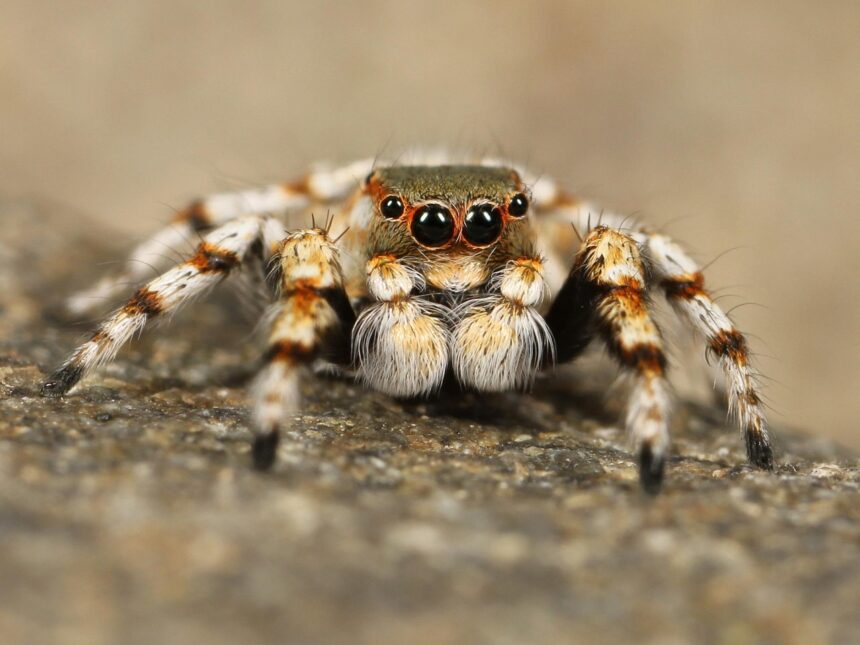
The fishing spider is one of the most fascinating arachnids found in nature. Unlike most spiders that rely mainly on webs to catch prey, fishing spiders are active hunters capable of walking on water and catching aquatic animals. Their remarkable hunting techniques and ability to survive near ponds, lakes, rivers, and wetlands make them unique among spider species.
Belonging to the Dolomedes genus, fishing spiders are distributed across many parts of the world. Although their appearance can seem intimidating because of their large size, they are generally shy creatures that avoid human contact whenever possible.
This article explains everything you need to know about fishing spiders, including their habitat, diet, behavior, life cycle, adaptations, and ecological importance.
What Is a Fishing Spider?
A fishing spider is a large semi-aquatic spider belonging to the genus Dolomedes. It is known for its ability to hunt insects, tadpoles, small fish, and other aquatic animals without building traditional capture webs.
Instead of waiting for prey, fishing spiders actively patrol the edges of water bodies. They use sensitive hairs on their legs to detect tiny vibrations on the water’s surface. When movement is detected, they quickly attack and capture their prey.
This hunting strategy makes fishing spiders different from many web-building spiders.
Physical Characteristics of Fishing Spiders
Fishing spiders have several distinctive features that help them survive in aquatic environments.
Body Size
Most species have a body length ranging from 1.5 to 3 centimeters, while their leg span can exceed 10 centimeters, depending on the species.
Color
They are usually:
- Brown
- Gray
- Black
- Tan
Many species display light stripes running along their bodies, helping them blend into tree bark, rocks, and vegetation.
Long Legs
Their long legs allow them to move efficiently across water surfaces and vegetation.
Excellent Vision
Fishing spiders possess eight eyes that help detect movement and navigate while hunting.
Habitat of Fishing Spiders
Fishing spiders are commonly found near freshwater environments.
Typical habitats include:
- Lakes
- Rivers
- Streams
- Marshes
- Wetlands
- Ponds
- Swamps
They often hide beneath rocks, fallen logs, tree trunks, or dense vegetation during the day before becoming more active in the evening.
How Do Fishing Spiders Catch Their Prey?
Fishing spiders are skilled predators that rely on patience and precision rather than webs.
Their hunting process includes:
Detecting Vibrations
Special sensory hairs on their legs detect ripples created by insects or small aquatic animals.
Moving Across Water
Fishing spiders can walk across the water surface because of their lightweight bodies and water-repellent hairs.
Capturing the Prey
Once prey is within reach, the spider quickly grabs it using its front legs and injects venom to immobilize it.
Feeding
Digestive enzymes break down the prey, allowing the spider to consume liquefied nutrients.
What Do Fishing Spiders Eat?
Fishing spiders have a varied diet.
Common prey includes:
- Mosquitoes
- Flies
- Beetles
- Dragonflies
- Water insects
- Tadpoles
- Small frogs
- Tiny fish
- Other spiders
Their ability to catch small fish is the reason they are called fishing spiders.
Are Fishing Spiders Dangerous?
One of the most common questions people ask is whether fishing spiders are dangerous.
The answer is generally no.
Fishing spiders are not aggressive toward humans and usually flee when disturbed.
Although they can bite if handled roughly, their venom is designed for subduing prey rather than harming people. Most bites, when they occur, cause only mild pain, redness, or swelling that usually resolves without serious complications.
Fishing Spider vs Wolf Spider
Many people confuse fishing spiders with wolf spiders because both are large hunting spiders.
| Feature | Fishing Spider | Wolf Spider |
| Habitat | Near water | Fields, forests, gardens |
| Hunting Style | Hunts on water and land | Hunts mainly on land |
| Web Use | Does not use capture webs | Does not use capture webs |
| Diet | Insects, tadpoles, small fish | Mostly insects |
| Swimming Ability | Excellent | Limited |
Life Cycle of a Fishing Spider
Fishing spiders undergo several life stages.
Egg Stage
Females produce egg sacs containing hundreds of eggs.
Spiderlings
Young spiders hatch and remain protected for a short period before dispersing.
Juvenile Stage
As they grow, they molt several times to develop larger bodies and stronger legs.
Adult Stage
Adults become active hunters and reproduce during the breeding season.
Many fishing spiders live for one to two years, although lifespan varies by species.
Interesting Facts About Fishing Spiders
- They can walk on water using specialized leg hairs.
- Some species can dive underwater to escape predators.
- Air trapped around their bodies helps them remain underwater briefly.
- They rarely build prey-catching webs.
- They are among the largest spiders found near freshwater habitats.
- They help control insect populations naturally.
Importance in the Ecosystem
Fishing spiders play an important ecological role by controlling populations of insects and other small animals.
Their presence helps maintain balance in wetland ecosystems by reducing the number of mosquitoes and other aquatic insects. They also serve as prey for birds, reptiles, amphibians, and larger mammals, making them an important part of the food chain.
Conservation and Threats
Although many fishing spider species remain widespread, habitat destruction can negatively affect their populations.
Major threats include:
- Wetland drainage
- Water pollution
- Deforestation near freshwater habitats
- Climate change
Protecting wetlands and maintaining clean freshwater ecosystems helps support healthy fishing spider populations.
Frequently Asked Questions (FAQs)
What is a fishing spider?
A fishing spider is a large semi-aquatic spider that hunts insects, tadpoles, and small fish instead of relying on capture webs.
Where do fishing spiders live?
They are commonly found near ponds, rivers, lakes, marshes, streams, and wetlands.
Are fishing spiders poisonous?
Fishing spiders produce venom to capture prey, but they are not considered dangerous to humans under normal circumstances.
Can fishing spiders really catch fish?
Yes. Larger fishing spider species can capture very small fish, tadpoles, and other aquatic animals using their quick hunting techniques.
Conclusion
The fishing spider is one of nature’s most remarkable arachnids. Its ability to walk on water, sense vibrations, and capture aquatic prey makes it unique among spiders. Although its size may appear intimidating, the fishing spider is generally harmless to humans and plays a valuable role in maintaining healthy freshwater ecosystems. Learning about these fascinating hunters helps us better appreciate the diversity and importance of wildlife.