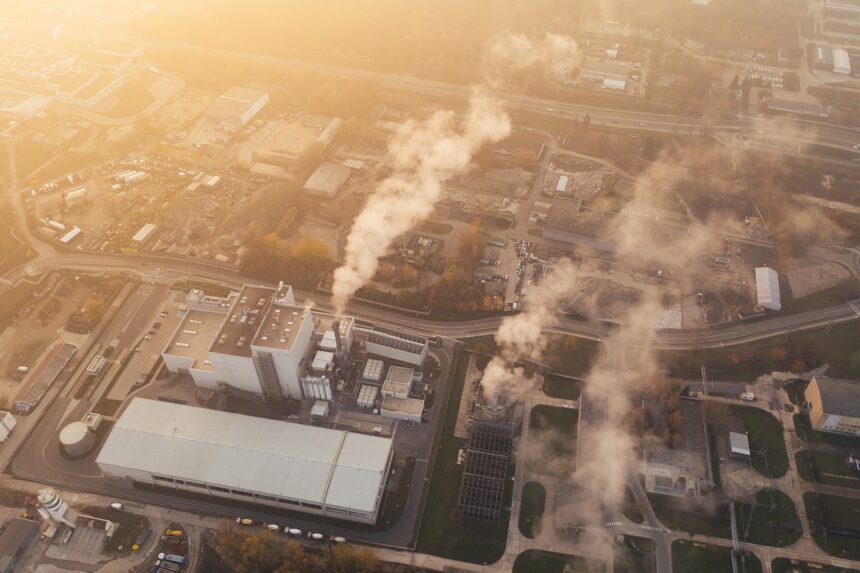
The quality of the air we breathe has a direct impact on human health, ecosystems, and the global climate. As industries grow and urbanization increases, harmful substances are continuously released into the atmosphere. These substances, known as atmospheric pollutants, contribute to air pollution and create serious environmental and public health challenges.
Understanding atmospheric pollutants is essential for students, environmental professionals, policymakers, and anyone interested in protecting the environment. In this article, we’ll explore what atmospheric pollutants are, their types, sources, effects, and practical ways to reduce their impact.
What Is an Atmospheric Pollutant?
An atmospheric pollutant is any solid, liquid, or gaseous substance present in the atmosphere at concentrations that can harm humans, animals, plants, buildings, or the environment.
These pollutants may occur naturally, such as volcanic ash or wildfire smoke, or they may result from human activities like industrial production, transportation, and fossil fuel combustion.
When atmospheric pollutants exceed safe levels, they reduce air quality and contribute to environmental issues such as smog, acid rain, and climate change.
Characteristics of Atmospheric Pollutants
Atmospheric pollutants share several important characteristics:
- They contaminate the atmosphere.
- They may exist as gases or tiny particles.
- Some remain in the atmosphere for long periods.
- They can travel hundreds or even thousands of kilometers.
- They affect both local and global environments.
Understanding these characteristics helps scientists monitor pollution levels and develop effective control strategies.
Types of Atmospheric Pollutants
Atmospheric pollutants are generally classified into two main categories.
Primary Atmospheric Pollutants
Primary pollutants are released directly into the atmosphere from their original source.
Examples include:
- Carbon monoxide (CO)
- Sulfur dioxide (SO₂)
- Nitrogen oxides (NOₓ)
- Particulate matter (PM2.5 and PM10)
- Volatile organic compounds (VOCs)
- Lead (Pb)
These pollutants are mainly produced by vehicles, factories, power plants, and industrial processes.
Secondary Atmospheric Pollutants
Secondary pollutants are not emitted directly. Instead, they form when primary pollutants react with sunlight, water vapor, or other atmospheric chemicals.
Examples include:
- Ground-level ozone (O₃)
- Photochemical smog
- Sulfuric acid
- Nitric acid
These pollutants often cause widespread environmental problems and reduce air quality.
Major Sources of Atmospheric Pollutants
Atmospheric pollutants originate from both natural and human-made sources.
Natural Sources
Natural pollution sources include:
- Volcanic eruptions
- Wildfires
- Dust storms
- Sea salt spray
- Pollen
- Forest emissions
Although natural events can temporarily increase pollution levels, they are usually less frequent than human activities.
Human-Made Sources
Human activities are the largest contributors to atmospheric pollution.
Major sources include:
Transportation
Cars, trucks, buses, ships, and aircraft release harmful gases during fuel combustion.
Industrial Activities
Factories emit sulfur dioxide, nitrogen oxides, heavy metals, and other pollutants.
Power Plants
Coal and oil-fired power stations release significant amounts of greenhouse gases and particulate matter.
Agriculture
Fertilizers and livestock farming produce ammonia and methane, which contribute to atmospheric pollution.
Residential Heating
Burning wood, coal, or other fuels for heating releases smoke and harmful particles into the air.
Common Atmospheric Pollutants
Some of the most common pollutants found in the atmosphere include:
| Pollutant | Main Source | Major Impact |
| Carbon Monoxide (CO) | Vehicles | Reduces oxygen transport in blood |
| Sulfur Dioxide (SO₂) | Power plants | Causes acid rain |
| Nitrogen Oxides (NOₓ) | Vehicles & industries | Forms smog and ozone |
| Ozone (O₃) | Chemical reactions | Irritates lungs |
| Particulate Matter (PM2.5) | Combustion | Respiratory diseases |
| Lead (Pb) | Industrial emissions | Nervous system damage |
Effects of Atmospheric Pollutants
Atmospheric pollution affects nearly every aspect of life.
Human Health
Exposure to polluted air can increase the risk of:
- Asthma
- Lung cancer
- Heart disease
- Stroke
- Chronic bronchitis
- Eye irritation
- Reduced lung function
Children, older adults, and people with respiratory diseases are particularly vulnerable.
Environmental Effects
Atmospheric pollutants damage ecosystems by:
- Reducing air quality
- Contaminating soil and water
- Damaging forests
- Acidifying lakes and rivers
- Affecting biodiversity
Long-term pollution can permanently alter natural habitats.
Climate Impact
Certain atmospheric pollutants, including greenhouse gases and black carbon, contribute to global warming by trapping heat in the Earth’s atmosphere.
This leads to:
- Rising global temperatures
- Extreme weather events
- Melting glaciers
- Sea-level rise
How to Control Atmospheric Pollutants
Reducing atmospheric pollution requires cooperation between governments, industries, and individuals.
Improve Industrial Emissions
Factories can install filters, scrubbers, and cleaner technologies to reduce harmful emissions.
Promote Clean Energy
Using renewable energy sources such as solar, wind, and hydropower reduces dependence on fossil fuels.
Encourage Public Transportation
Using buses, trains, cycling, or carpooling can lower vehicle emissions.
Plant More Trees
Trees absorb carbon dioxide and improve overall air quality.
Enforce Environmental Regulations
Governments can establish emission standards and monitor industries to ensure compliance.
Why Monitoring Atmospheric Pollutants Is Important
Air quality monitoring helps authorities:
- Identify pollution hotspots.
- Protect public health.
- Develop environmental policies.
- Measure pollution trends.
- Respond to emergency pollution events.
Modern monitoring systems use satellites, sensors, and ground stations to provide real-time air quality data.
Future of Air Pollution Control
Advances in technology are making pollution control more effective. Emerging solutions include:
- Artificial intelligence for air quality monitoring
- Smart city pollution sensors
- Carbon capture technologies
- Electric transportation
- Cleaner industrial manufacturing
- Renewable energy expansion
These innovations are expected to play a significant role in reducing atmospheric pollution over the coming decades.
Frequently Asked Questions (FAQs)
What is an atmospheric pollutant?
An atmospheric pollutant is any harmful gas, liquid, or particle present in the atmosphere that negatively affects human health or the environment.
What are the two main types of atmospheric pollutants?
The two main types are primary pollutants, which are emitted directly, and secondary pollutants, which form through chemical reactions in the atmosphere.
What causes atmospheric pollution?
Major causes include transportation, industrial emissions, fossil fuel combustion, agriculture, and natural events such as volcanic eruptions and wildfires.
Why are atmospheric pollutants harmful?
They contribute to respiratory diseases, environmental degradation, acid rain, reduced air quality, and climate change.
Conclusion
Atmospheric pollutants are one of the leading causes of environmental degradation and poor air quality worldwide. They originate from both natural processes and human activities, affecting ecosystems, climate, and public health. By understanding the different types, sources, and impacts of atmospheric pollutants, individuals and governments can make informed decisions to reduce emissions and protect the environment. Continued investment in clean energy, pollution control technologies, and environmental awareness will be essential for ensuring cleaner air and a healthier future.