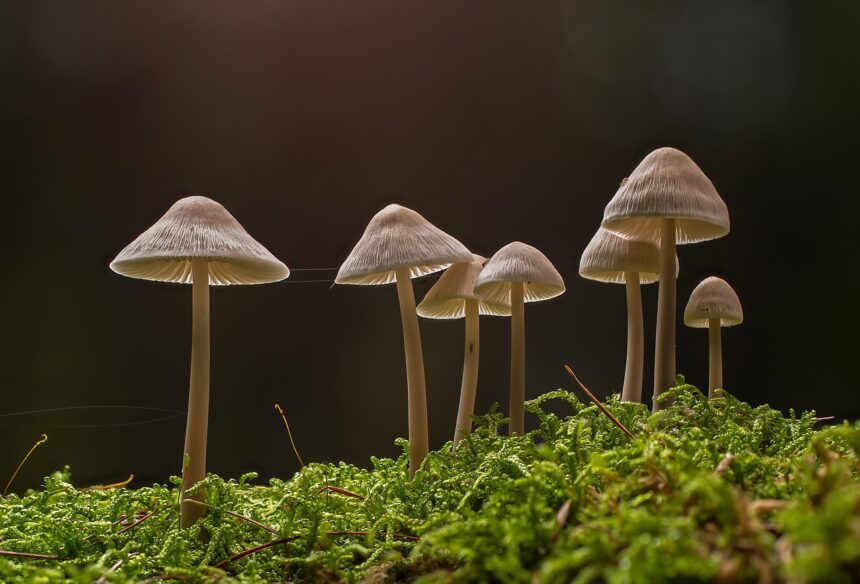
Shiitake mushrooms are among the most popular edible mushrooms in the world. Native to East Asia, they are valued for their rich, savory flavor, impressive nutritional profile, and potential health benefits. Today, these mushrooms are widely used in home kitchens, restaurants, and even dietary supplements.
Whether you’re interested in healthier eating, exploring new recipes, or learning about natural foods, shiitake mushrooms offer an excellent combination of taste and nutrition. In this guide, you’ll discover everything you need to know about these mushrooms, including their nutrition, benefits, uses, side effects, and storage tips.
What Are Shiitake Mushrooms?
Shiitake mushrooms (Lentinula edodes) are edible fungi that naturally grow on hardwood trees. They have a distinctive umbrella-shaped brown cap, cream-colored gills, and a firm stem.
Known for their deep umami flavor, these mushrooms are a staple ingredient in many Asian cuisines and are increasingly popular worldwide due to their versatility and nutritional value.
Nutritional Value of Shiitake Mushrooms
Shiitake mushrooms are low in calories while providing essential nutrients.
A typical serving contains:
- Dietary fiber
- Protein
- B vitamins
- Vitamin D (when exposed to sunlight)
- Copper
- Selenium
- Zinc
- Potassium
- Manganese
They also contain antioxidants and naturally occurring compounds that may support overall health.
Health Benefits of Shiitake Mushrooms
Adding shiitake mushrooms to a balanced diet may provide several health benefits.
Rich in Nutrients
Shiitake mushrooms supply important vitamins and minerals that support normal body functions while remaining low in calories.
Supports Immune Health
They contain natural compounds such as beta-glucans that help support the body’s normal immune response.
Good Source of Antioxidants
Antioxidants help protect cells from oxidative stress caused by free radicals.
Supports Heart Health
Shiitake mushrooms are naturally low in saturated fat and contain compounds that may support healthy cholesterol levels as part of a balanced diet.
Promotes Healthy Digestion
The dietary fiber found in these mushrooms supports healthy digestion and contributes to gut health.
Culinary Uses of Shiitake Mushrooms
Shiitake mushrooms are highly versatile and can be used in many recipes.
Popular dishes include:
- Stir-fries
- Soups
- Noodle dishes
- Rice bowls
- Pasta
- Pizza
- Omelets
- Salads
- Grilled vegetables
Their rich umami flavor makes them an excellent meat substitute in many vegetarian and vegan recipes.
Fresh vs. Dried Shiitake
Both fresh and dried shiitake mushrooms are commonly available.
Fresh Shiitake
- Soft texture
- Mild flavor
- Ready to cook
- Ideal for quick meals
Dried Shiitake
- Stronger flavor
- Longer shelf life
- Rehydrated before cooking
- Excellent for soups and broths
Many chefs prefer dried these mushrooms because soaking them intensifies their savory taste.
How to Cook Shiitake Mushrooms
Cooking shiitake mushrooms is simple.
Basic steps include:
- Wipe them clean with a damp cloth.
- Remove the tough stems if desired.
- Slice the caps evenly.
- Cook with a small amount of oil or butter.
- Season with garlic, herbs, soy sauce, or black pepper.
Avoid overcooking, as they can lose their firm texture.
How to Store Shiitake Mushrooms
Proper storage keeps shiitake mushrooms fresh for longer.
- Store fresh mushrooms in a paper bag in the refrigerator.
- Avoid sealing them in airtight plastic bags.
- Keep them dry until ready to use.
- Store dried these mushrooms in an airtight container in a cool, dark place.
Correct storage helps preserve both flavor and texture.
Potential Side Effects
Shiitake mushrooms are generally safe for most people when eaten as food.
However, some individuals may experience:
- Mild digestive discomfort
- Allergic reactions
- Skin irritation in rare cases
Anyone with known mushroom allergies should avoid consuming shiitake mushrooms. If unusual symptoms occur after eating them, consult a healthcare professional.
Shiitake vs. Button Mushrooms
| Feature | Shiitake | Button Mushrooms |
| Flavor | Rich, earthy, umami | Mild |
| Texture | Firm and meaty | Soft |
| Color | Brown | White or light brown |
| Common Uses | Asian dishes, soups, stir-fries | Salads, pizzas, casseroles |
| Shelf Life | Fresh or dried | Mostly fresh |
Both are nutritious, but these mushrooms are especially prized for their bold flavor.
Tips for Buying Shiitake Mushrooms
Choose mushrooms that are:
- Firm and dry
- Free from slimy spots
- Evenly colored
- Fresh-smelling
- Free of mold
Avoid mushrooms with wrinkles or an unpleasant odor.
Frequently Asked Questions (FAQs)
What are shiitake mushrooms?
These mushrooms are edible fungi known for their rich umami flavor and nutritional benefits.
Are shiitake mushrooms healthy?
Yes. They are low in calories and provide fiber, vitamins, minerals, and antioxidants that support overall health.
Can you eat shiitake mushrooms raw?
They are usually cooked because cooking improves their flavor, texture, and digestibility.
Are dried shiitake mushrooms better than fresh?
Both are nutritious. Dried shiitake have a stronger flavor and a longer shelf life, while fresh these mushrooms are convenient for everyday cooking.
How long do fresh shiitake mushrooms last?
When stored properly in the refrigerator, fresh shiitake mushrooms typically stay fresh for about one week.
Conclusion
These mushrooms are a flavorful and nutritious ingredient that can enhance a wide variety of meals. Rich in vitamins, minerals, fiber, and natural antioxidants, they make a valuable addition to a balanced diet. Whether you choose fresh or dried these mushrooms, proper storage and cooking techniques will help you enjoy their distinctive taste and nutritional benefits.