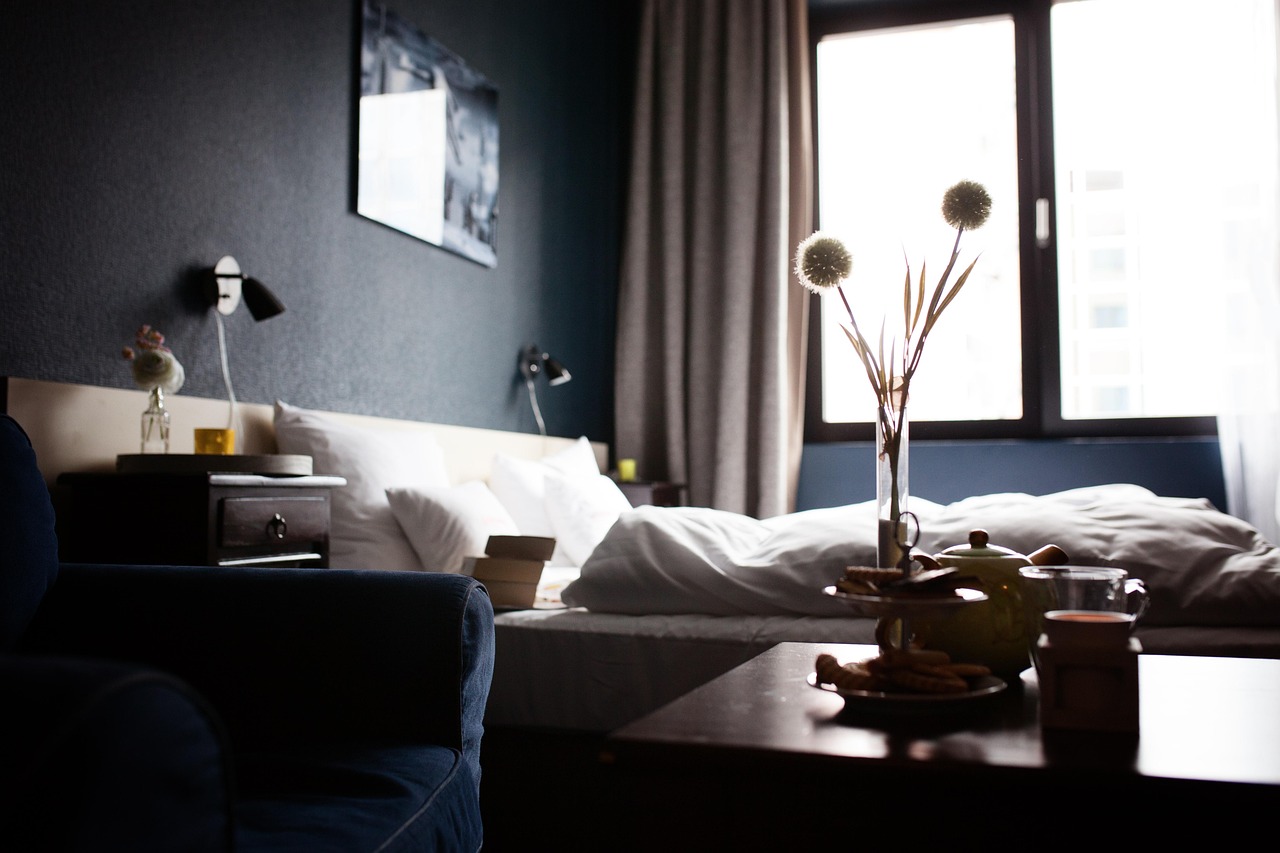
Home décor trends come and go, but some decorative elements remain timeless. One such trend that has gained popularity in modern and Scandinavian interiors is Pyntekvister. These decorative branches bring natural beauty, texture, and elegance into any living space without requiring much maintenance.
Whether you’re decorating a minimalist apartment, a cozy farmhouse, or a contemporary home, Pyntekvister can instantly elevate your interior design. Their versatility, affordability, and year-round appeal make them a favorite choice among homeowners and interior designers alike.
In this guide, we’ll explore everything you need to know about Pyntekvister, from what they are to creative decorating ideas, styling tips, benefits, maintenance, and frequently asked questions.
What Are Pyntekvister?
Pyntekvister is a Norwegian word that translates to decorative branches. These branches are used as decorative accents inside homes, offices, restaurants, hotels, and event spaces.
They may be:
- Natural dried branches
- Artificial decorative branches
- Flowering branches
- Seasonal branches
- Painted decorative twigs
- LED light branches
Unlike fresh flowers that wilt within days, Pyntekvister offer long-lasting beauty while adding a natural touch to indoor spaces.
Why Are Pyntekvister So Popular?
Decorative branches have become increasingly popular because they combine simplicity with elegance.
Some reasons homeowners love Pyntekvister include:
- Minimal maintenance
- Affordable decoration
- Eco-friendly options
- Suitable for every season
- Fits modern and traditional interiors
- Creates a calm natural atmosphere
- Works well in small and large spaces
Their clean lines perfectly complement Scandinavian, Nordic, Japandi, rustic, and minimalist décor styles.
Types of Pyntekvister
There are many styles of decorative branches available.
Natural Dried Branches
These branches retain their authentic texture and earthy appearance.
Popular choices include:
- Birch branches
- Willow branches
- Twisted hazel
- Cotton stems
- Eucalyptus branches
They create a warm, organic look.
Artificial Decorative Branches
Artificial Pyntekvister closely resemble real branches while requiring virtually no maintenance.
Advantages include:
- Long lifespan
- Fade resistance
- Allergy-friendly
- Reusable every year
Flowering Branches
Branches featuring blossoms provide a fresh seasonal appearance.
Examples include:
- Cherry blossoms
- Magnolia branches
- Apple blossoms
- Peach blossoms
These are especially popular during spring.
LED Decorative Branches
LED branches combine nature-inspired décor with ambient lighting.
They work beautifully in:
- Bedrooms
- Living rooms
- Entryways
- Holiday displays
Benefits of Decorating with Pyntekvister
Adding Pyntekvister to your home offers several advantages.
Enhances Visual Interest
Tall branches naturally draw the eye upward, making ceilings appear higher and rooms feel larger.
Low Maintenance
Unlike fresh flowers, decorative branches require little care.
Most only need occasional dusting.
Budget-Friendly
A single arrangement can remain attractive for months or even years.
This makes them a cost-effective decorating solution.
Eco-Friendly Choice
Natural branches can often be gathered responsibly from gardens or forests where permitted.
Many homeowners also reuse seasonal branches rather than replacing them frequently.
Versatile Decoration
Pyntekvister complement nearly every decorating style, including:
- Scandinavian
- Modern
- Minimalist
- Rustic
- Farmhouse
- Industrial
- Bohemian
How to Decorate with Pyntekvister
There are countless creative ways to style decorative branches.
Large Floor Vase
Place tall branches inside a ceramic or glass floor vase.
This instantly creates an elegant focal point.
Dining Table Centerpiece
Use shorter decorative branches in a stylish vase for your dining table.
Add candles for a cozy atmosphere.
Entryway Decoration
Welcome guests with an attractive arrangement placed on a console table.
Bathroom Styling
Small branches add a luxurious spa-like feeling to bathrooms.
Bedroom Decor
Soft flowering branches create a relaxing and peaceful environment.
Seasonal Decorating Ideas
One of the biggest advantages of Pyntekvister is their adaptability throughout the year.
Spring
Decorate with:
- Cherry blossoms
- Magnolia branches
- Fresh greenery
Summer
Choose:
- Olive branches
- Eucalyptus
- Wildflower stems
Autumn
Incorporate:
- Maple branches
- Dried leaves
- Cotton stems
- Pinecones
Winter
Use:
- White-painted branches
- Pine branches
- LED light branches
- Frosted twigs
These arrangements create a cozy holiday atmosphere.
Choosing the Right Vase
The vase plays an important role in showcasing your Pyntekvister.
Popular materials include:
- Ceramic
- Glass
- Concrete
- Stoneware
- Metal
For tall branches, choose a heavy vase to prevent tipping.
Neutral-colored vases complement most interior styles.
How to Maintain Pyntekvister
Fortunately, decorative branches require very little care.
Simple maintenance tips include:
- Dust regularly with a microfiber cloth.
- Keep away from excessive moisture.
- Avoid prolonged direct sunlight.
- Rearrange branches occasionally.
- Replace damaged stems when necessary.
Artificial branches may also be gently cleaned using compressed air or a soft brush.
DIY Pyntekvister Decoration Ideas
Creating your own decorative branches can be a fun weekend project.
Ideas include:
- Spray-paint natural branches white, black, or gold.
- Wrap branches with fairy lights.
- Hang ornaments during holidays.
- Attach dried flowers.
- Decorate with ribbons.
- Add seasonal leaves.
DIY projects allow you to customize your décor while saving money.
Common Decorating Mistakes to Avoid
Even simple décor can be improved by avoiding these mistakes.
Using a vase that’s too small
Heavy branches require stable containers.
Overcrowding the arrangement
Leave enough space between branches to maintain a natural appearance.
Ignoring room proportions
Very tall branches may overwhelm small rooms.
Mixing too many colors
Neutral palettes often create the most elegant displays.
Forgetting seasonal updates
Refreshing your arrangement throughout the year keeps your home feeling current.
Why Interior Designers Love Pyntekvister
Professional decorators frequently use Pyntekvister because they:
- Add natural texture
- Introduce vertical balance
- Create focal points
- Complement minimalist spaces
- Require almost no maintenance
- Photograph beautifully for home styling
Their timeless elegance makes them suitable for both residential and commercial interiors.
Frequently Asked Questions (FAQ)
What does Pyntekvister mean?
Pyntekvister is a Norwegian term meaning decorative branches used for interior decoration.
Are Pyntekvister real or artificial?
They can be either. Many people use natural dried branches, while others prefer artificial versions for convenience.
How long do decorative branches last?
Natural dried branches may last several months to years if kept dry. Artificial branches can last for many years with proper care.
Where should I place Pyntekvister?
Popular locations include living rooms, entryways, dining tables, bedrooms, offices, and bathrooms.
Are Pyntekvister suitable for every season?
Yes. You can change the style throughout the year by using seasonal branches, flowers, ornaments, or decorative lights.
Conclusion
Pyntekvister offer an easy yet sophisticated way to enhance any interior. Whether you prefer natural dried branches, flowering stems, or modern LED designs, these versatile decorations bring warmth, texture, and elegance to your home.
Their affordability, minimal maintenance, and timeless appeal make them a smart choice for homeowners looking to refresh their living spaces without extensive renovations. From Scandinavian-inspired interiors to rustic farmhouse décor, Pyntekvister blend seamlessly into almost any design style.
If you’re searching for a simple decorating idea that creates maximum visual impact, Pyntekvister are well worth considering.