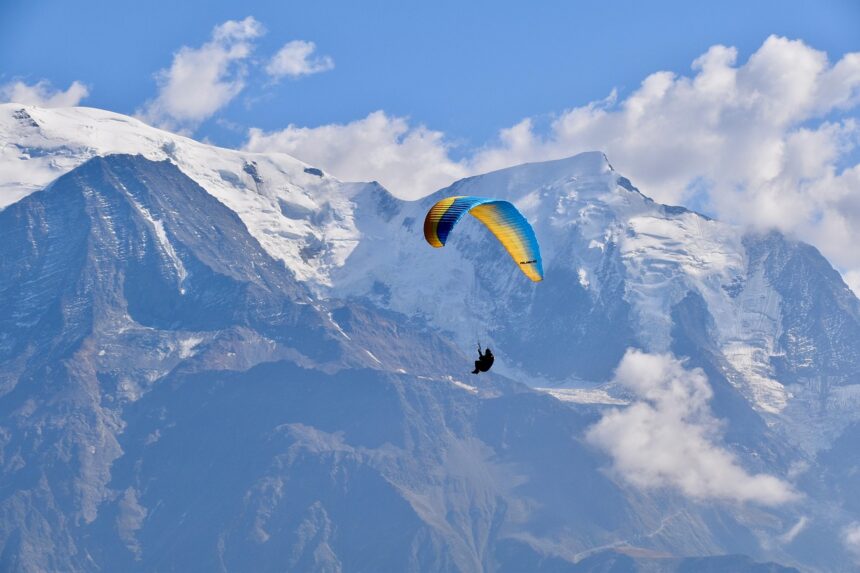
Few travel experiences compare to the beauty and tranquility of the mountains. Towering peaks, fresh air, crystal-clear lakes, dense forests, and breathtaking landscapes offer the perfect escape from the fast-paced routines of daily life. Whether you’re planning a weekend hiking trip, a family vacation, or an adventurous trekking expedition, mountain destinations provide unforgettable memories for travelers of all ages.
However, a successful mountain trip requires careful planning. Weather conditions can change rapidly, remote locations may have limited facilities, and proper preparation is essential for both safety and enjoyment. From selecting the right destination to packing the appropriate gear, every detail contributes to a smoother and more enjoyable journey.
This comprehensive mountain travel guide will help you plan the perfect nature escape with practical tips on budgeting, packing, choosing destinations, staying safe, and making the most of your adventure.
Why Choose a Mountain Vacation?
Mountain destinations offer much more than beautiful scenery. They provide opportunities to reconnect with nature, improve physical health, and enjoy peaceful surroundings away from crowded cities.
Some of the biggest benefits of mountain travel include:
- Fresh, clean air
- Stunning natural landscapes
- Hiking and trekking opportunities
- Wildlife and birdwatching
- Adventure sports
- Relaxation and stress relief
- Photography opportunities
- Cooler temperatures during summer
Whether you’re seeking adventure or relaxation, mountains offer experiences that suit every type of traveler.
Choosing the Perfect Mountain Destination
Selecting the right destination depends on your travel style, fitness level, budget, and the type of activities you enjoy.
For Beginners
If you’re new to mountain travel, choose destinations with well-maintained hiking trails, reliable transportation, comfortable accommodations, and visitor facilities.
Look for locations that offer guided tours and marked hiking routes to make your first experience safe and enjoyable.
For Adventure Travelers
Experienced travelers may prefer destinations known for challenging trekking routes, rock climbing, camping, mountain biking, or wildlife exploration.
Research trail difficulty levels and weather conditions before making your final decision.
For Families
Family-friendly mountain destinations often feature easy walking trails, scenic viewpoints, picnic areas, cable cars, lakes, and recreational parks suitable for children.
Selecting accommodation close to major attractions also makes family travel more convenient.
Best Time to Visit Mountain Destinations
The ideal season depends on the experience you’re looking for.
Spring
Spring offers blooming wildflowers, pleasant temperatures, flowing waterfalls, and fewer crowds.
Summer
Summer is perfect for hiking, camping, photography, and outdoor adventures. Trails are generally more accessible, and weather conditions are favorable.
Autumn
Autumn transforms mountain landscapes with vibrant red, orange, and golden foliage, making it one of the most picturesque seasons for nature lovers.
Winter
Winter attracts snow enthusiasts with opportunities for skiing, snowboarding, snowshoeing, and cozy cabin stays.
Always research seasonal weather patterns before planning your trip.
Planning Your Mountain Travel Budget
A well-planned budget helps you enjoy your trip without unnecessary financial stress.
Consider the following expenses:
- Transportation
- Accommodation
- Food and beverages
- National park or entry fees
- Adventure activities
- Travel insurance
- Equipment rental
- Emergency expenses
- Souvenirs
Booking transportation and accommodation in advance often helps secure better prices.
Traveling during the shoulder season can also reduce costs while avoiding peak tourist crowds.
Essential Packing Checklist
Packing appropriately is one of the most important aspects of mountain travel. Weather conditions can change unexpectedly, so being prepared is essential.
Clothing
Pack clothing that can be layered easily.
Include:
- Waterproof jacket
- Thermal clothing
- Comfortable hiking pants
- Moisture-wicking shirts
- Warm sweater or fleece
- Hat and gloves
- Extra socks
- Comfortable sleepwear
Avoid cotton clothing for long hikes since it retains moisture.
Footwear
Invest in comfortable hiking boots with good ankle support and strong grip.
If your trip involves only light walking, quality trail shoes may be sufficient.
Always break in new footwear before your trip to avoid blisters.
Travel Essentials
Don’t forget to pack:
- Backpack
- Water bottles
- Power bank
- Flashlight
- Sunscreen
- Sunglasses
- Insect repellent
- Reusable utensils
- Camera
- Personal identification
- Cash for remote areas
First Aid Kit
A basic first aid kit should include:
- Bandages
- Pain relievers
- Antiseptic wipes
- Personal medications
- Blister treatment
- Allergy medicine
- Tweezers
Being prepared can make a significant difference in case of minor injuries.
Staying Safe in the Mountains
Mountain environments can be unpredictable, making safety a top priority.
Before starting any hike:
- Check weather forecasts.
- Inform someone about your travel plans.
- Carry enough drinking water.
- Stay on marked trails.
- Avoid hiking alone in unfamiliar areas.
- Respect wildlife and keep a safe distance.
- Carry a fully charged mobile phone and portable charger.
If weather conditions suddenly worsen, turn back rather than taking unnecessary risks.
Choosing the Right Accommodation
Mountain destinations offer accommodation options for every budget and travel style.
Popular choices include:
- Hotels
- Cabins
- Eco-lodges
- Campsites
- Guesthouses
- Mountain resorts
- Vacation rentals
When booking accommodation, consider its proximity to hiking trails, transportation, restaurants, and emergency services.
Reading recent guest reviews can also help you make an informed decision.
Best Activities to Enjoy During Mountain Travel
Mountain destinations offer countless activities that allow travelers to experience nature in exciting and meaningful ways. The right activities depend on your interests, fitness level, and the season of your visit.
Hiking and Trekking
Hiking is one of the most popular mountain activities because it allows you to explore natural landscapes at your own pace. Walking through forests, climbing scenic trails, and reaching viewpoints create unforgettable memories.
Before starting a hike:
- Choose a trail suitable for your experience level.
- Carry enough water and snacks.
- Wear proper footwear.
- Check trail conditions.
- Start early to avoid sudden weather changes.
Beginners should start with shorter trails before attempting difficult routes.
Camping Under the Stars
Camping provides a deeper connection with nature. Spending a night surrounded by mountains, listening to natural sounds, and watching the stars can be an incredible experience.
For a successful camping trip:
- Choose a safe camping location.
- Carry a quality tent and sleeping bag.
- Store food properly.
- Follow local camping regulations.
- Leave the area clean after your stay.
Camping responsibly helps protect mountain environments for future travelers.
Wildlife Watching and Nature Photography
Mountains are home to diverse wildlife, rare plants, and breathtaking scenery. Nature lovers can enjoy birdwatching, wildlife photography, and landscape photography.
Photography tips for mountain travel:
- Capture sunrise and sunset views.
- Use natural lighting whenever possible.
- Keep a safe distance from wildlife.
- Protect your camera equipment from moisture.
- Take time to enjoy the moment instead of only recording it.
The mountains provide endless opportunities for creating beautiful photographs.
Adventure Sports
For travelers seeking excitement, many mountain destinations offer adventure activities such as:
- Rock climbing
- Mountain biking
- Paragliding
- Skiing
- Snowboarding
- River rafting
- Zip lining
Always choose professional guides and certified operators when participating in adventure sports.
Exploring Local Culture and Communities
Mountain travel is not only about landscapes. Many mountain regions have unique traditions, cuisines, crafts, and lifestyles shaped by their natural surroundings.
Take time to:
- Visit local villages
- Try traditional foods
- Learn about regional history
- Support local businesses
- Purchase handmade products
Respecting local communities creates more meaningful travel experiences and supports sustainable tourism.
Eco-Friendly Mountain Travel Tips
Protecting nature should be a priority for every mountain traveler. Fragile ecosystems can be damaged by pollution, excessive tourism, and irresponsible behavior.
Follow these sustainable travel practices:
Reduce Waste
Carry reusable water bottles, avoid single-use plastics, and properly dispose of all waste.
Respect Wildlife
Never disturb animals, remove plants, or feed wild creatures.
Stay on Marked Trails
Walking outside designated paths can damage vegetation and increase erosion.
Support Sustainable Businesses
Choose environmentally responsible accommodations and local services whenever possible.
Responsible travel ensures that future generations can continue enjoying beautiful mountain landscapes.
Common Mountain Travel Mistakes to Avoid
Even experienced travelers can make mistakes when visiting mountain destinations.
Ignoring Weather Conditions
Mountain weather can change quickly. Failing to check forecasts can lead to uncomfortable or dangerous situations.
Overpacking
Carrying unnecessary items makes hiking more difficult. Pack only essential gear.
Underestimating the Environment
High altitudes, steep trails, and remote locations require proper preparation.
Not Carrying Enough Water
Dehydration can happen quickly during outdoor activities. Always carry sufficient water.
Skipping Travel Insurance
Travel insurance can provide valuable protection against medical emergencies, cancellations, and unexpected situations.
Avoiding these mistakes can make your mountain adventure safer and more enjoyable.
Frequently Asked Questions (FAQs)
What should I pack for a mountain trip?
Essential items include weather-appropriate clothing, hiking shoes, a backpack, water bottle, first aid kit, personal medication, sunscreen, navigation tools, and emergency supplies.
What is the best season for mountain travel?
The best season depends on your preferred activities. Summer is ideal for hiking, autumn offers beautiful scenery, winter is perfect for snow activities, and spring provides pleasant weather with blooming landscapes.
Is mountain travel suitable for beginners?
Yes. Beginners can enjoy mountain destinations by choosing easier trails, planning carefully, traveling with experienced companions, and following safety guidelines.
How can I stay safe while hiking in the mountains?
Stay on marked trails, check weather conditions, carry essential supplies, inform others about your plans, and avoid taking unnecessary risks.
How much does a mountain trip cost?
The cost depends on the destination, transportation, accommodation, activities, and travel style. Planning a budget in advance helps control expenses.
What are the benefits of spending time in the mountains?
Mountain travel can reduce stress, improve mental well-being, encourage physical activity, and provide opportunities to reconnect with nature.
Conclusion
A mountain vacation offers the perfect combination of adventure, relaxation, and natural beauty. Whether you want to hike through scenic trails, relax in a peaceful cabin, explore local culture, or capture breathtaking landscapes, mountains provide unforgettable experiences for every traveler.
Successful mountain travel begins with thoughtful preparation. Choosing the right destination, packing properly, respecting nature, and prioritizing safety can transform an ordinary trip into a memorable adventure.
Remember that the goal of mountain travel is not just reaching the destination but enjoying every moment of the journey. The fresh air, peaceful surroundings, and incredible views can create memories that last a lifetime.